
Belief, Agency, and the Paradox of Human Possibility.
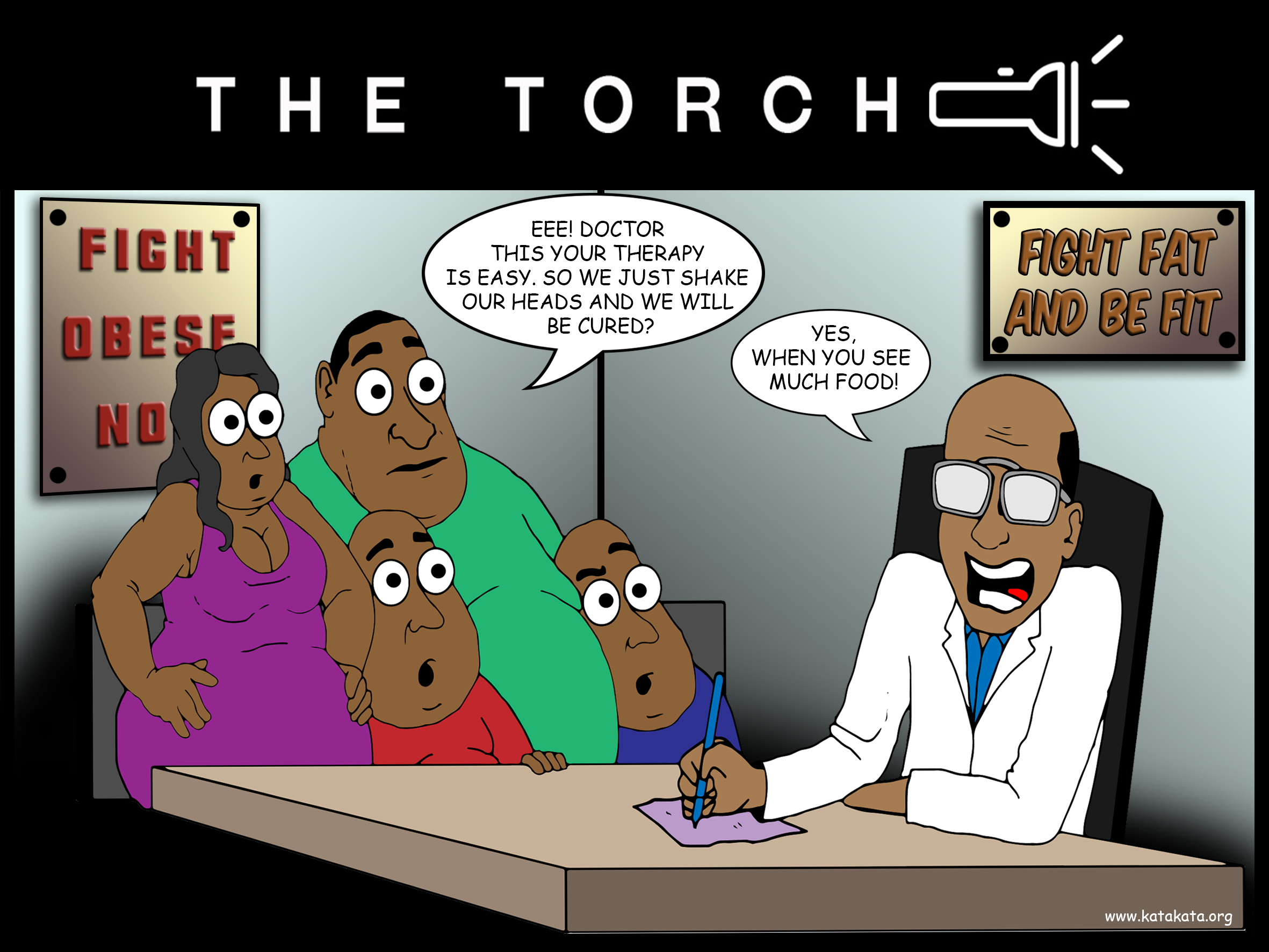
Human life unfolds at the intersection of constraint and possibility.
Everyone is confronted daily with circumstances that appear to define their
limits — economic hardship, social classification, physical condition, or
intellectual expectation. Yet it is not merely the presence of such conditions
that determines a person's fate, but the way they are interpreted,
internalised, and confronted. Recognising our collective influence can inspire
hope and a sense of shared responsibility for change.
Popular aphorisms such as "impossibility is nothing"
derive their meaning not from naïve optimism, but from a more profound
philosophical insight: that identity is not a fixed essence but a mutable
construct shaped by social narratives. Understanding this fluidity encourages
curiosity about how we can redefine ourselves beyond labels like blind, lame,
or incapable, fostering openness to change.
This recognition invites a more complex understanding of identity as plural
rather than singular. Individuals occupy multiple positions simultaneously -
defined by circumstance, yet capable of reinterpretation. Embracing this
multiplicity can empower the audience to see agency as an act of reimagining
limitations, fostering confidence in their capacity to influence their own
lives.
Belief plays a central role in this process, not as mystical assurance, but
as a catalyst for action. Transformative change does not emerge spontaneously;
it is initiated through a willingness to confront stagnation and to create the
conditions under which change becomes possible. In this sense, what are often
called "miracles" are better understood as moments of intensified
agency — instances where latent capacity is mobilised under pressure,
necessity, or resolve.
However, belief is not an unqualified virtue. The demand to transcend one's
condition can itself become burdensome when detached from social reality. While
personal attitude undeniably shapes experience, it does not operate in a
vacuum. Structural inequality, power asymmetries, and material deprivation
constrain the field within which belief can act. To suggest that all
circumstances persist solely because individuals accept them is to risk
reducing misfortune to moral failure and suffering to personal inadequacy.
The permanence of any condition, therefore, cannot be measured only by
inner resolve. It is determined by the dynamic relationship between
self-perception and social context, between effort and opportunity. Acceptance
may indeed enslave when it forecloses imagination, but relentless insistence on
self-transformation without regard for circumstance can be equally oppressive.
True agency lies not in denying constraint, but in discerning where resistance
is possible and where solidarity is required, emphasising the importance of
collective effort and shared resilience for the audience's sense of agency.
Ultimately, the challenge of human possibility is neither blind faith nor
cynical resignation. It is the courage to awaken to one's potential without
ignoring the realities that shape its expression. To reclaim authorship over
one's life is not to deny vulnerability, but to refuse its finality.
We are often tempted to wait for external deliverance — for validation,
rescue, or transformation to arrive from elsewhere. Yet the most enduring
change begins when individuals recognise themselves as participants in their
own becoming. Not omnipotent, not invulnerable, but capable of movement where
stillness once prevailed. In this recognition lies a quieter, more ethical form
of wonder: the realisation that one may not be as confined as one has been led
to believe. Perhaps the most enduring act of belief is this: to stand up, not
because certainty has arrived, but because stagnation has lost its authority.
In that moment, no spectacle is required. The movement itself is enough.
Video: https://youtu.be/1DBdINsDOaU
For unrestricted access to Kata Kata content, subscribe to our platform: katakata.org/mainmenu