
The Sun That Refuses to Die.
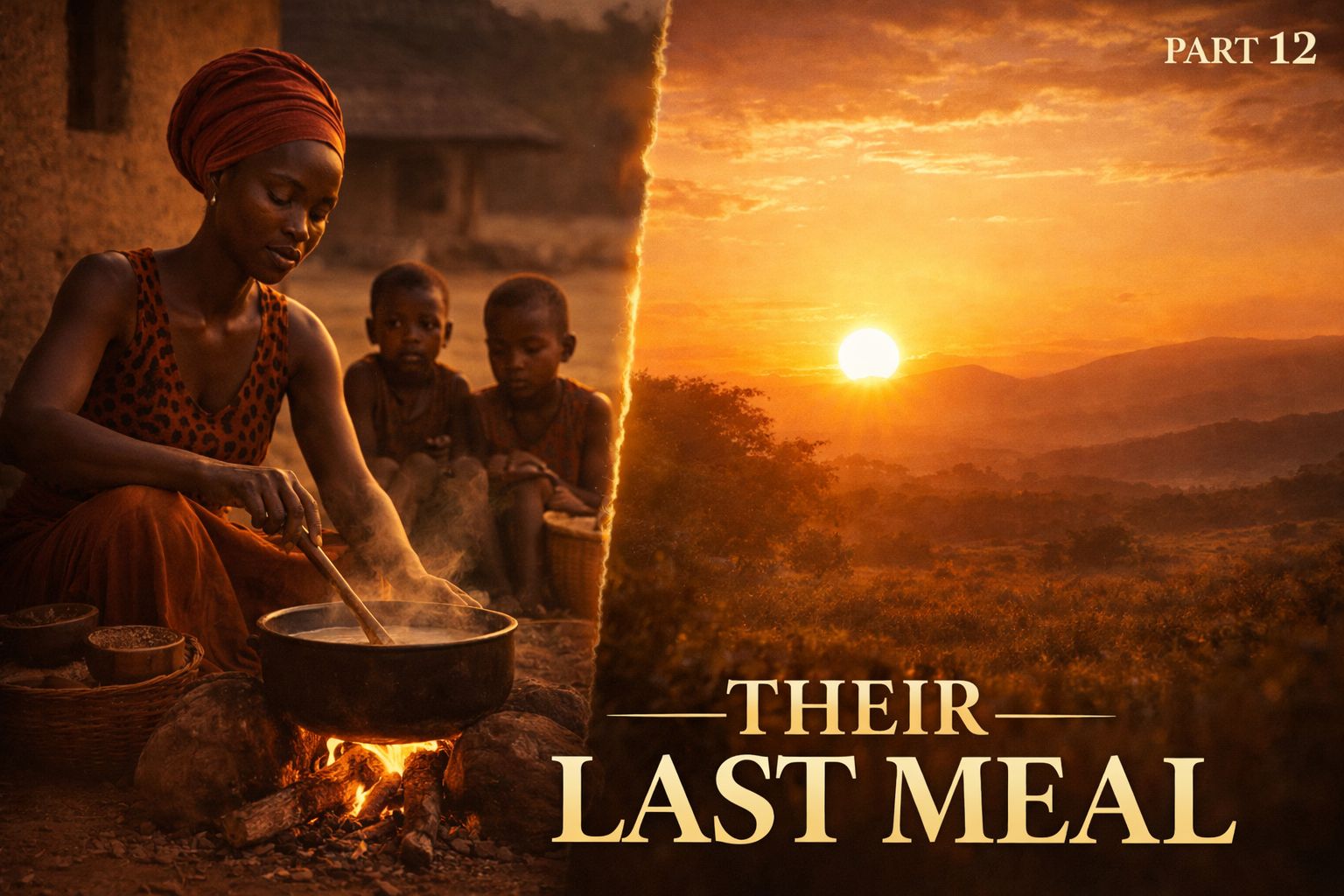
There is a philosophy written daily across the sky: the descent of light is never its annihilation. Twilight is not a verdict but a pause — a sacred ellipsis in the sentence of existence. To the anxious, dusk whispers finality. To the discerning, it intimates a return, reminding us that hope persists even in darkness and offering comfort and patience to those facing hardship. This resilience of hope can inspire us to trust in our own capacity to endure and renew, showing that personal darkness is part of a larger cycle of growth.
Poverty is
not just material lack but an existential challenge; hope and resilience can
transform scarcity into inner strength. When we recognise this inner strength,
we can inspire one another to see our everyday struggles as opportunities for
growth and inner power.
Hope is not
denial but a form of defiance; as Viktor Frankl said, finding meaning in
suffering is an act of resilience and courage.
Civilisations
have long inscribed this rhythm of concealment and revelation into their
thought. In The Republic, enlightenment follows shadow; the cave yields to the
sunlit world beyond. Darkness is not the enemy of truth but its dramatic
counterpart. Concealment does not equal abolition. The unseen is not the
non-existent.
Within
conditions of deprivation, communal rituals assume profound significance.
Shared meals, however modest, become sacraments of solidarity. In gathering,
individuals affirm that belonging can season even the blandest fare. Silence in
such moments is not vacancy but reverence. Love becomes nourishment; presence
becomes provision, strengthening collective hope. This can inspire one to seek
connection as a source of resilience and renewal.
The
imagination of impossibility often reveals more about society than about
reality. To transform absurdity into sustenance may defy nature; to transform
suffering into resilience fulfils it. Human beings possess a peculiar alchemy:
the capacity to convert adversity into wisdom, limitation into creativity.
Hope, especially when pressed thin, becomes the mother of innovation.
Interruption
— the unexpected knock of circumstance — carries symbolic weight across
cultures. In Crime and Punishment, it signals reckoning. Yet interruption can
also herald grace: the arrival of unforeseen assistance, the reminder that
isolation is not absolute. Whether deliverance manifests tangibly or merely as
renewed awareness, it fractures the illusion of abandonment, inspiring hope
amid hardship. When we recognise disruptions as opportunities for growth, we
can empower ourselves to see setbacks as part of our journey toward renewal.
The cosmos
itself testifies to recurrence. Empires dissolve and are reborn. Winters
relinquish their hold. Exiles return to homelands remembered only in dreams.
Just as seasons cycle, the human spirit, though bruised by contingency, leans
instinctively toward dawn, reminding us that renewal is always within reach.
Thus,
sustenance is not measured solely in grain or currency but in promise. Promise,
though invisible, feeds generations. It is the quiet conviction that descent
anticipates ascent, that concealment precedes revelation. The setting sun
writes a covenant across the horizon: what disappears shall reappear,
symbolising ongoing renewal.
To believe this is not naïveté; it is metaphysical realism. Renewal is stitched into the fabric of existence. And resilience — that golden key — unlocks the darkened chamber of destiny, proving that even beneath the horizon, dawn is already preparing its return.
Video: https://youtube.com/shorts/f5-VWbRJ0WU?si=e9XkOLfqwnFgk3bJ