
When Doing Right Comes at a Cost.
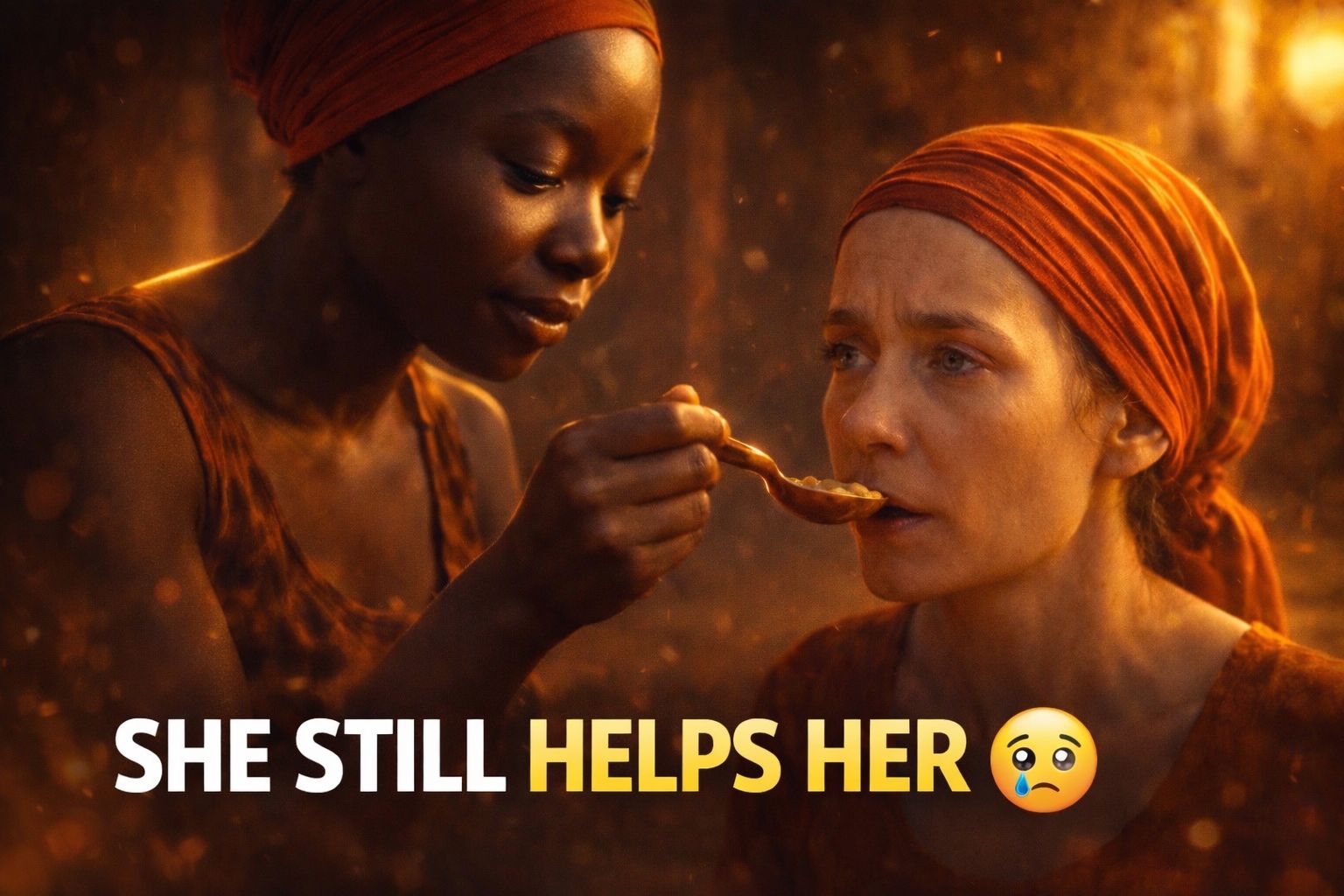
Doing what is right feels effortless when it demands nothing in return, like donating anonymously. Moral clarity is easiest when there is no sacrifice involved. Yet ethical life rarely unfolds under such convenient conditions. More often, the true weight of morality emerges precisely when doing good requires discomfort, restraint, or personal loss and sacrifices.
This shift of responsibility from the wrongdoer to the
wronged can evoke a sense of moral responsibility, prompting one to reflect on
one's own responses to harm.
Kindness, in this light, reveals its complexity. It is
easy to extend compassion to those who deserve it, to those whose suffering
feels justified in our eyes. But when compassion is directed toward someone who
has acted unjustly, it begins to feel less like virtue and more like a test.
This is often where the line between justice and revenge quietly blurs. What we
may call "fairness" can sometimes mask a desire to see others endure
what we believe they deserve. This line of action comes with numerous questions
and debates as one draws a line between justice and fairness.
This dilemma reflects a tension between outcome-based
ethics and character-based ethics. If morality is judged solely by the fairness
of outcomes, then withholding kindness may seem justified. Yet, viewed from the
perspective of virtue ethics, rooted in the tradition of Aristotle, the
question is not "What is deserved?" but "Who do I become through
this action?" From this view, moral worth lies in the cultivation of
character, not merely in the balancing of scales.
Furthermore, such moments reveal how moral norms are
sustained within communities. Acts of compassion that exceed strict fairness
can interrupt cycles of retaliation and reshape expectations of human
interaction. At the same time, consistently denying compassion can reinforce a
culture where relationships are governed by calculation rather than care. In
this sense, individual choices contribute to broader patterns of social life.
Ultimately, the challenge is not abstract. It is
deeply personal and quietly demanding. To act rightly when it costs nothing is
not the measure of moral strength. The real test lies in choosing integrity
even when it feels undeserved, even when it carries emotional weight.
The question, then, is not simply about fairness. It
is about moral identity: do we act only when goodness aligns with our sense of
justice, or are we willing to uphold it even when it asks something difficult
of us? Feel free to share your views.