
The Power of a Father’s Love: Choice, Responsibility, and the Search for the Right Path.
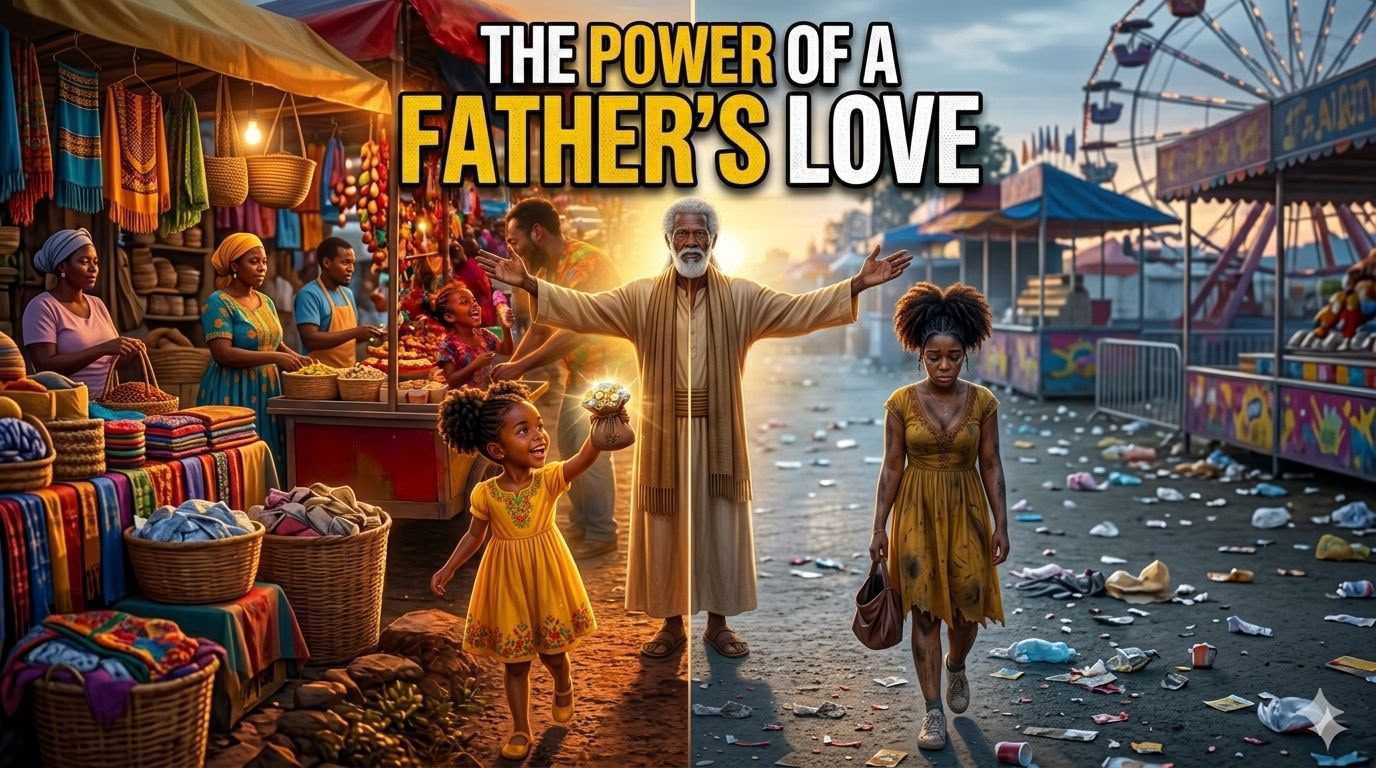
At the core of this Christian story is a timeless question: how should individuals respond to the tension between freedom and guidance? The metaphor of the narrow and wide path vividly illustrates the choices between moral responsibility and temptation, helping one connect more deeply with the story's moral themes.
From a moral perspective, the wide path symbolises the
temptation to pursue immediate gratification, personal desires, and seemingly
unrestricted freedom. In contrast, the narrow path represents discipline,
wisdom, and faithfulness to God's guidance. While the wider road may appear
attractive because it promises comfort and independence, moral growth often
requires sacrifice, self-control, and trust in principles that extend beyond
momentary pleasures. The story reminds us that true freedom is not the absence
of limits but the ability to choose what is right and meaningful, encouraging
us to see our moral responsibility as empowering rather than restrictive.
Sociologically, the narrative reflects the challenges
individuals face within society. Modern cultures frequently celebrate personal
autonomy and instant satisfaction, encouraging people to prioritise short-term
rewards. Yet communities, families, and religious traditions provide norms and
values designed to protect individuals from harmful consequences. The father in
the story represents not only divine authority but also the role of caregivers
and social institutions that seek to guide individuals toward responsible
choices. Recognising these guiding influences can help one feel supported and
connected within their community, understanding that norms serve to protect and
nurture.
From a political perspective, the story highlights the
tension between freedom and responsibility. The father does not impose
obedience through force; instead, he allows the child to choose her own path.
This reflects an important principle of human liberty: genuine freedom requires
the possibility of making mistakes. However, freedom is inseparable from
accountability, as choices inevitably produce consequences. The difficulties
encountered on the wrong path are not portrayed as punishment but as the natural
outcomes of decisions made without wisdom and guidance.
The story reaches its emotional climax when the child
recognises her mistake and calls for help. This moment symbolises repentance,
self-awareness, and the willingness to change course. The father's response is
not condemnation but compassion and restoration. His love, reflecting divine
love, remains constant despite the child's errors, demonstrating a central
Christian belief that God's grace endures even when people stray from the right
path.
Ultimately, the story teaches that guidance, whether from God, family, or society, should not always be viewed as a limitation. What appears restrictive today may prove to be a source of protection tomorrow. Through its message of freedom, responsibility, and unconditional love, the story encourages reflection on the choices that shape both individual lives and the broader moral fabric of society.
Watch the video: https://youtube.com/shorts/ekb0yIaY0qI?si=WRCRca18vgq0irWK