
Pregnant Promises: An African Satirical Story About Political Promises, Justice, and Public Trust.
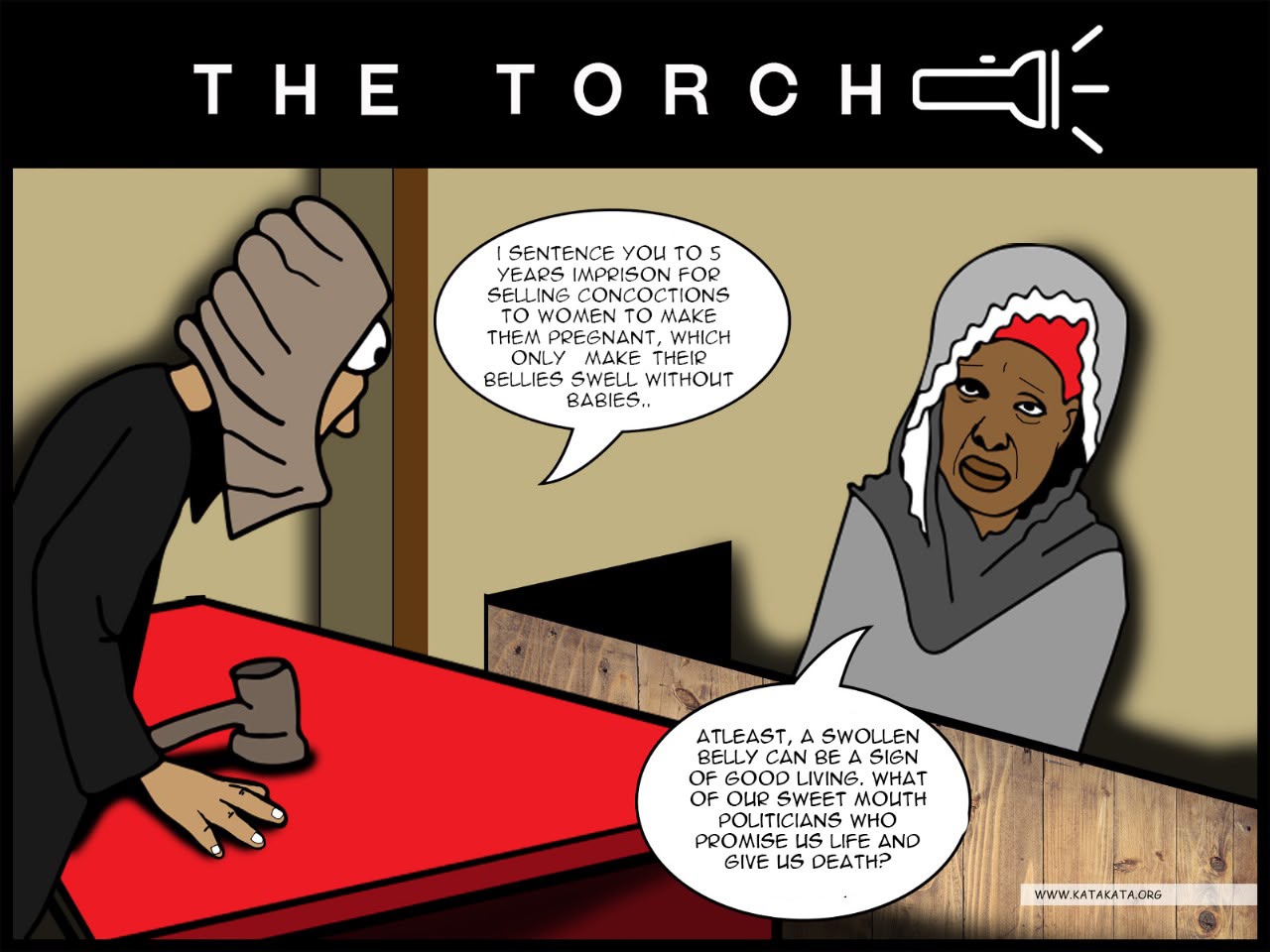
Pregnant
Promises is an African satirical courtroom story about political promises,
false hope, justice, leadership accountability, and public trust. Through
humour and social commentary, it explores whether society holds powerful
leaders to the same standards as ordinary citizens.
In many
societies, promises are powerful. They shape expectations, influence decisions,
and give people hope for a better future. Whether made by leaders,
institutions, businesses, or individuals, promises carry responsibility. When
they are broken, the consequences can extend far beyond disappointment,
affecting trust, confidence, and the well-being of entire communities.
It is
within this contradiction that Pregnant Promises finds its satirical power.
Yet
Pregnant Promises is not simply a courtroom joke. Rather, it is an African
satirical story about political promises, justice, accountability, and public
trust. The humour emerges from a striking comparison. An older woman is
punished for selling concoctions that left women with swollen bellies instead
of the pregnancies they hoped for. However, the story takes an unexpected turn
when she compares her actions to the promises often made by political leaders.
The punchline challenges viewers to consider whether all forms of false hope
are judged equally.
The story
also reflects a broader social issue. Across Africa and around the world,
citizens are regularly promised jobs, prosperity, development, better
healthcare, quality education, and improved living standards. While many
leaders genuinely seek progress, repeated unfulfilled promises can create
frustration, cynicism, and a growing distrust of public institutions. Over
time, people may begin to question whether those with the greatest influence
are held to the same level of accountability as ordinary citizens.
At a deeper
level, the story explores the relationship between power and responsibility.
The older woman’s crime affects a small number of people, yet it receives
immediate punishment. Her question forces the audience to reflect on a larger
issue: what happens when false promises affect entire communities or nations?
Through humour and political satire, the story highlights how easily society
can focus on individual wrongdoing while overlooking larger failures that have
wider consequences.
The
enduring strength of the story lies in its ability to transform a simple
courtroom exchange into a reflection on leadership, trust, governance, and
public responsibility. The swollen belly becomes a symbol of expectations that
never become reality, while the idea of “pregnant promises” represents hopes
that are constantly nurtured but never fulfilled. What begins as a case about
deception becomes a broader commentary on leadership accountability and the
promises that shape public life.
In this
way, the story speaks not only about politics but also about human nature.
People everywhere want to believe in better futures, better opportunities, and
better outcomes. Yet trust is fragile. When promises repeatedly fail to
materialise, communities can become disillusioned and sceptical. The story
therefore serves as both a humorous tale and a reminder that leadership carries
obligations and that accountability remains essential to maintaining public
trust.
As
societies continue to debate leadership, governance, justice, accountability,
and public trust, the question remains worth asking:
If ordinary
people are punished for selling false hope, how should society respond when
those entrusted with leading others repeatedly fail to deliver on their
promises?
What do
you think?
Share your
thoughts in the comments, like the video if this reflection resonated with you,
and subscribe for more African stories, political satire, courtroom dramas,
moral tales, leadership lessons, cultural reflections, and social commentary
exploring justice, identity, leadership, and modern society.
Read
more: Explore more
African stories, political satire, moral tales, leadership lessons, courtroom
dramas, cultural reflections, and social commentary that challenge assumptions
and spark meaningful conversations about modern society.
Watch the video: https://youtube.com/shorts/JWfwJE-vLdM?si=lbFxImVlAKquRLnN