
Ebola in Kenya: Public Trust, Health Security, and Government Accountability.
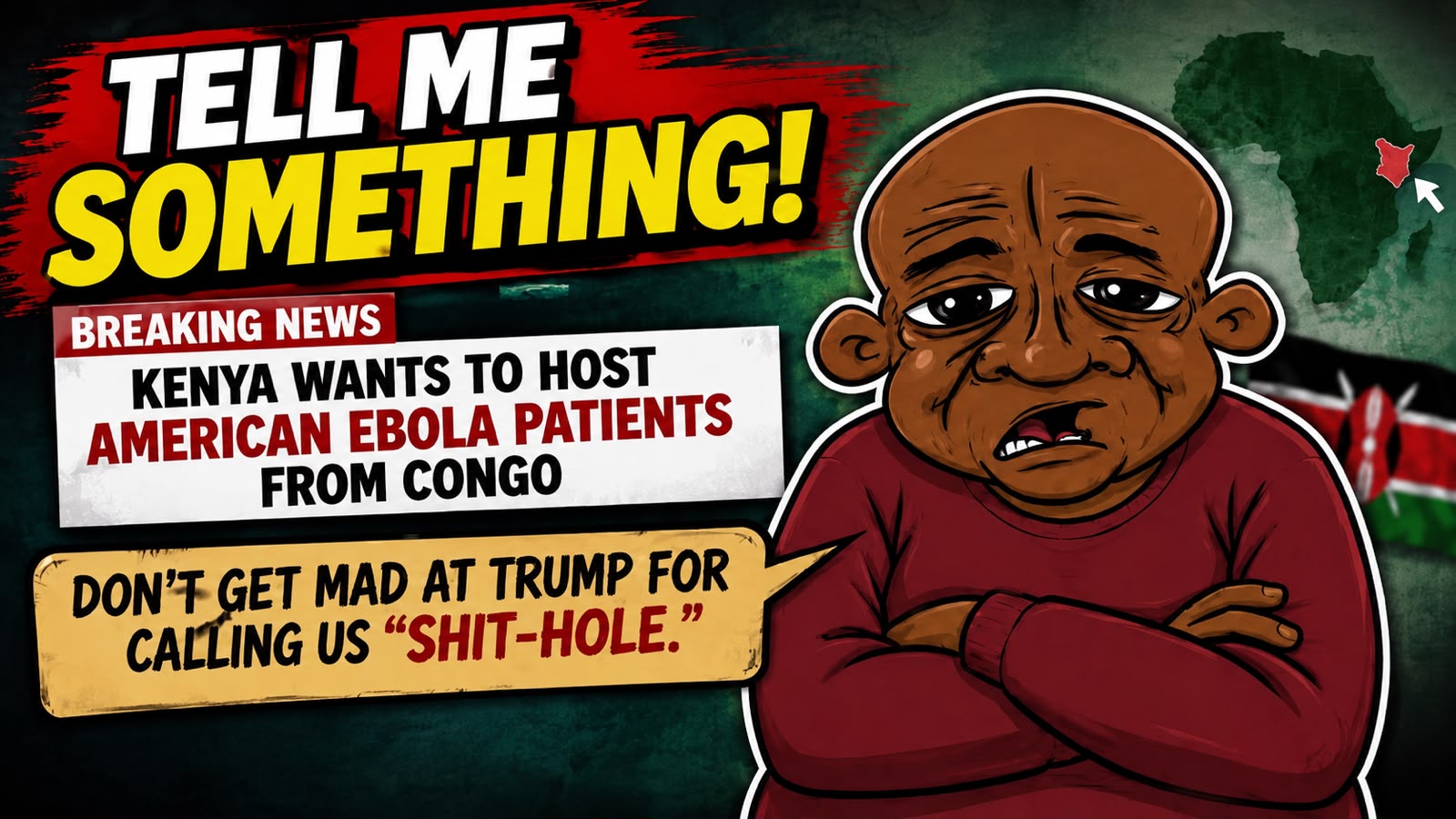
How should governments balance Ebola preparedness, public trust, humanitarian responsibility, and national health security? This article explores leadership accountability, healthcare readiness, and public confidence during health emergencies.
Discussions
surrounding Ebola in Kenya have reignited important conversations about public
health preparedness, government accountability, and public trust during times
of uncertainty. While Ebola outbreaks often raise concerns about disease
transmission and healthcare capacity, they also highlight a broader issue: the
relationship between citizens and the institutions responsible for protecting
public health.
Public
health crises test more than medical systems. They also test leadership,
communication, transparency, and national preparedness. When diseases such as
Ebola enter public discussion, fear and uncertainty can spread quickly,
prompting citizens to ask important questions about safety measures, healthcare
readiness, and government decision-making.
In such
circumstances, public concern is both natural and understandable.
Every
government has a responsibility to protect the health and well-being of its
citizens. This requires strong healthcare systems, effective disease
surveillance, emergency response plans, and clear communication strategies.
The debate
surrounding Ebola preparedness in Kenya reflects a challenge faced by countries
around the world: how to balance humanitarian responsibilities with national
health security. Decisions involving infectious diseases are rarely
straightforward. They often require governments to weigh scientific evidence,
international cooperation, border health measures, and public safety
considerations.
Citizens
understandably want reassurance that risks have been carefully assessed and
that appropriate safeguards are in place.
Public
trust is one of the most valuable assets during a health crisis. When
governments communicate openly, transparently, and consistently, people are
more likely to remain calm, informed, and cooperative.
However,
when communication appears unclear or incomplete, uncertainty can create
anxiety and speculation. Citizens may begin asking difficult but
reasonable questions:
- Is the healthcare system
prepared to respond effectively?
- What preventive measures have
been implemented?
- Have potential risks been
thoroughly evaluated?
- Are leaders prioritising public
welfare and safety?
These
questions should not automatically be viewed as signs of panic. Instead, they
demonstrate the importance of confidence in public institutions and the desire
for accountability during challenging times.
Strong
leadership during a public health emergency involves more than making
decisions. It also requires building and maintaining public confidence.
Citizens
often judge policies not only by their intended outcomes but by the level of
trust they have in those implementing them. Even well-intentioned decisions can
face resistance if people feel excluded from important discussions or
unconvinced that adequate preparations have been made.
Government
accountability plays a critical role in maintaining public trust. Leaders who
explain decisions clearly, share relevant information, and address public
concerns openly are often better positioned to earn public confidence during
periods of uncertainty.
One of the
most complex challenges facing governments is balancing humanitarian
obligations with the responsibility to protect public health.
In today's
interconnected world, diseases do not respect national borders. International
cooperation, medical assistance, and humanitarian responses are often essential
components of controlling outbreaks and protecting populations. At the same
time, governments must ensure that their actions reflect the legitimate
concerns of their citizens regarding health security and disease prevention.
Finding the
right balance requires evidence-based decision-making, effective risk
management, and transparent communication.
Ultimately,
discussions about Ebola, health security, and public trust extend beyond any
single country or outbreak. They raise important questions about how societies
prepare for emergencies, how governments communicate during crises, and how
public confidence can be strengthened.
Health
emergencies require a partnership between institutions and citizens. People
want assurance that decisions are guided by scientific evidence, transparency,
preparedness, and the protection of human life.
As
discussions continue about Ebola preparedness, government accountability,
healthcare systems, and public trust, one important question remains:
How
should governments balance humanitarian responsibility with national health
concerns while maintaining public trust during times of uncertainty?
What are
your thoughts? Share your perspective in the comments below.
For more
articles on public health, leadership, governance, healthcare preparedness,
public trust, and national development, explore our latest insights and
reflections.
Watch the video:https://youtube.com/shorts/WOYjj4Gqqs0?si=s4NNeu3xU2qcoPO0