
Protection or Silence? The African Family’s Uncomfortable Conversation About Pregnancy.
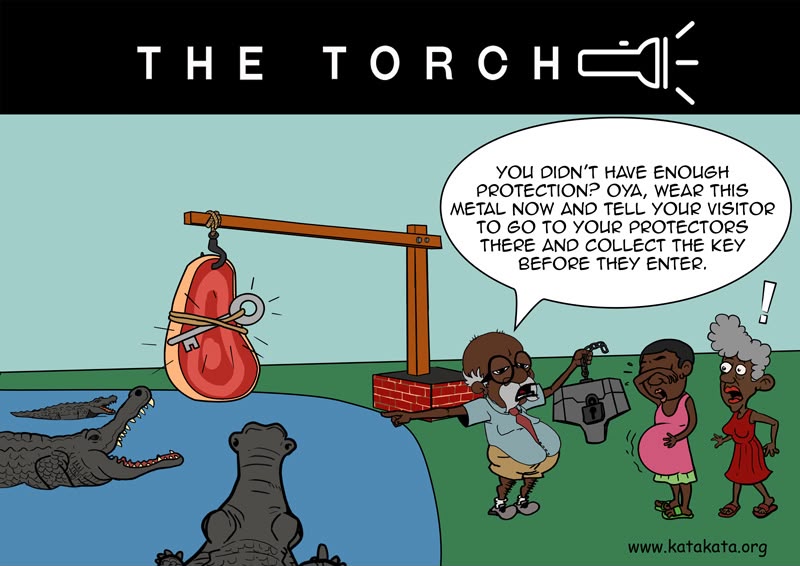
Across many African households, conversations about sex remain one of the last great taboos. Parents often expect their children to “know better”, yet rarely create an environment where questions about relationships, contraception, consent, or pregnancy - and its consequences - can be discussed without fear or shame. When an unplanned pregnancy occurs, the conversation usually begins only after the pregnancy, and the consequences have already arrived.
This cultural paradox has shaped generations. Many
young people grow up receiving warnings instead of education on sexual health.
The message is often simple: “Don’t get pregnant.” But very little is said
about how healthy relationships work, what responsible intimacy looks like, or
how different methods of contraception and family planning actually work.
Silence becomes the primary form of parenting, even though silence has never
been an effective teacher – especially when it comes to pregnancy, sexual health
and family planning.
The discussion surrounding pregnancy protection itself
reveals an important social tension. In many African families, discussing
condoms or contraception with a child or even conversations about family
planning are sometimes viewed as encouraging sexual rascality. Others argue the
opposite, that withholding accurate information on reproductive health leaves
young people vulnerable to misinformation from friends, social media, or the
internet. Society therefore finds itself caught between preserving moral values
and preparing young adults for the realities they will inevitably face.
This raises a difficult philosophical question. Is
knowledge on pregnancy prevention the problem, or is the absence of guidance
the greater risk?
Parents naturally want to protect their children,
especially against teenage pregnancy. That instinct is universal. Yet
protection can take different forms. One approach relies primarily on
restriction, hoping that fear or strict rules will prevent mistakes. Another
relies on honest conversation, believing that wisdom develops through guidance
rather than silence. Neither approach guarantees perfect outcomes, but one
equips young people to make informed decisions even when their parents are no
longer present.
The challenge becomes even more complex because
pregnancy is not simply a medical issue. It is a social, economic and emotional
one. In many African communities, an unplanned pregnancy can interrupt
education, limit career opportunities, strain family relationships, and expose
young women to stigma that young men often do not experience to the same
extent. Responsibility should therefore be viewed as something shared, rather
than a burden carried by one person alone.
Perhaps this is why conversations about protection
should begin long before protection is needed. Speaking openly about sexual
health does not require abandoning cultural or religious values. On the
contrary, it allows parents and guardians to explain those values while
ensuring their children understand the consequences of their choices. Morality
and education are not opposites. When combined, they strengthen one another.
The real question, then, is not whether African
parents should discuss protection. It is what kind of protection they wish to
provide. Is protection simply about preventing pregnancy, or is it about
raising young adults who understand responsibility, respect, consent and the
lifelong consequences of intimacy?
Studies across Africa continue to show that access to
accurate sexual health information helps young people make more informed
decisions regarding relationships, contraception, and pregnancy prevention.
As African societies continue to evolve, perhaps the
greatest protection parents can offer is not fear, secrecy or silence, but
trust, wisdom and conversations that begin before a crisis forces them to
speak.
What do you think? Should African parents discuss contraception and sexual health with their children, or does doing so risk encouraging behaviour they hope to prevent? Can traditional values and honest sex education exist together within the African home and cultural context?
Related reading:
Five Hours in Bed: A Satirical Look at Sexual Performance Pressure and
Modern Masculinity: https://katakata.org/news/-1780399007
Bulletproof Donkey: Faith, Fear, and the Performance
of Spiritual Power: https://katakata.org/news/-1780132192
Gold Does Not Lose Its Value: A Conversation on Love,
Judgment, and Second Chances: https://katakata.org/news/-1781267558